Buying Guides
How to Read Plant Hardiness Zones Before Buying Perennials
First published

Use a plant hardiness zone to screen a perennial’s winter-temperature suitability, then check sunlight, moisture and your planting location. A zone match alone does not mean a plant will thrive.
Read what the USDA number represents
The USDA Plant Hardiness Zone Map uses average annual extreme minimum winter temperatures from 1991–2020. Full zones span 10°F and half zones span 5°F. This is a historical temperature classification, not this winter’s forecast or the coldest temperature your garden could ever reach.
Make a shortlist before buying
Look up your exact location, then compare the plant’s documented hardiness range. Do not infer the range from the store category or a photograph. Keep candidates that match the zone as a shortlist; research the remaining growing conditions before ordering. We do not sell a verified perennial plant in this guide.
| Check | Pass means | Still unresolved |
|---|---|---|
| Hardiness range includes your zone | Candidate passes first climate screen | Extreme events and local exposure |
| Documented light matches the location | Light requirement appears compatible | Seasonal shading |
| Moisture and drainage match | Soil conditions may suit it | Actual maintenance and plant health |
Record the conditions that zones miss
USDA notes that wind, soil moisture, humidity and other factors can affect survival. Use separate journal columns for zone, light, drainage and exposure. The Brown Leather Journal offers 19 × 14 cm inner pages for that record; plant labels can carry a short location code while the details stay indoors.
Use labels as references, not promises
The 100 white labels measure a listed 5 × 1 cm and do not include a pen. Label a proposed bed location and record its conditions over time. A sheltered wall and an exposed pot can create different growing conditions even when both share the same map zone.
Is a hardiness zone the same as a frost date?
No. This map classifies winter minimum temperatures. Use separate local guidance for planting dates and expected frost timing.
Selections from our collection
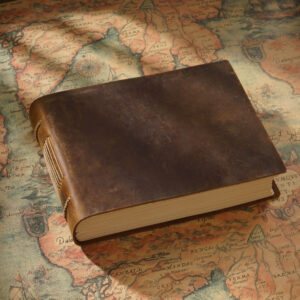
One brown leather-covered journal with approximately 19 × 14 cm inner pages. Natural leather appearance varies.
Leather-Cover Journal — Brown
One brown leather-covered journal with approximately 19 × 14 cm inner pages. Natural leather appearance varies.
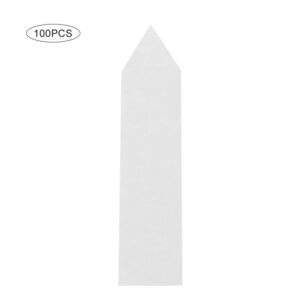
One hundred white plant labels, approximately 5 × 1 cm each, for marking pots and seedlings. Marker pen and plants are not included.
Plastic Plant Labels — White, Pack of 100
One hundred white plant labels, approximately 5 × 1 cm each, for marking pots and seedlings. Marker pen and plants are not included.
Prices shown are current item prices in USD. Check the product and checkout for availability, shipping and the full order total. Styled accessories are included only when the listing says so.
Related reading
What to Write in a Garden Journal Browse buying guides for more guidance.

