Everyday Upgrades
What to Write on Plant Labels So You Can Identify Plants Later
First published
Updated
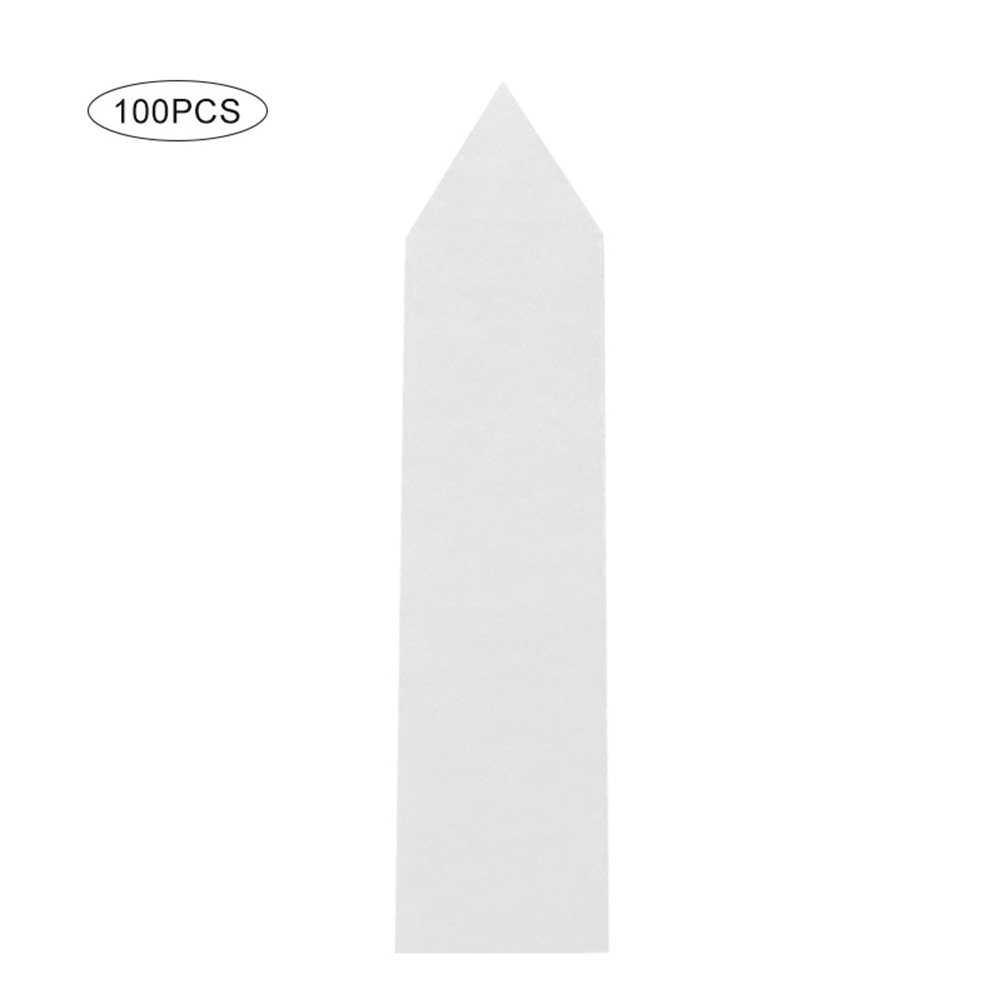
Put a short plant or batch code on the label and keep the full variety name and sowing date in a matching record. That is more realistic for a 5 × 1 cm label than trying to squeeze an entire seed packet onto it. Check your writing tool on a spare label before labeling every pot.
Start with the label you are buying
Our white plastic labels come in a pack of 100 for $11.99. Each is approximately 5 × 1 cm—about 2 × 0.4 inches overall. Part of that length sits in the pot, so the exposed writing area is smaller. Plants and a marker pen are not included. The listing does not establish outdoor fade resistance or how well a particular pencil or pen adheres.
| Where | Example | What it tells you |
|---|---|---|
| On the label | BAS-01 | One unique batch code, written large enough to read. |
| Companion record | BAS-01 | basil | packet variety name | sown April 10 | The identity and starting date without tiny lettering. |
| Pot location record | Kitchen window, pot 2 | A backup if the physical label is displaced. |
| Later update | Moved to larger pot May 8 | An event recorded without replacing the original sowing date. |
Use your own actual dates and variety names; the example is a record format, not a sowing calendar. Trees For Life’s Growers’ Handbook includes species and sowing date in its nursery-label instructions. Its specific pencil advice concerns its own labeling materials, so it is not proof of durability on these retail labels.
Check readability before buying more supplies
Cut a paper strip 5 × 1 cm and mark the portion that would sit in the pot. Write the code in the remaining space. If you cannot read it comfortably at your usual viewing distance, use a larger label; this pack is not the right answer simply because it contains 100 pieces.
A simple record beats an elaborate system you will not maintain
Keep one note or sheet with code, plant name, source packet, sowing date and location. Photograph the labeled pot and packet together. If you split one batch into several pots, repeat the code or add A, B and C. Avoid reusing a code until the old batch is removed from the record.
After delivery, try the chosen writing tool on one spare label, let it set as its manufacturer directs, and observe it under the conditions where you will use it. We have not conducted an outdoor exposure test and do not promise year-round readability.
Selections from our collection
Writing concise identifiers for pots
Plastic Plant Labels — White, Pack of 100
One hundred white plant labels, approximately 5 × 1 cm each, for marking pots and seedlings. Marker pen and plants are not included.
Prices shown are current item prices in USD. Check the product and checkout for availability, shipping and the full order total. Styled accessories are included only when the listing says so.
Before ordering
We sell the items linked here. This guide uses listed specifications and explicitly labeled calculations, not hands-on product testing. Writing area and weather durability unmeasured; no claim that the labels remain readable for a stated duration. Stock shown on the store is not supplier-reserved inventory. Item prices are in USD; the actual destination, shipping and tax determine the checkout total.
Read our shipping information and return policy. Eligible ordinary-merchandise returns generally use the 30-day request process; made-to-order exclusions can differ. Contact support before returning an item. No holiday arrival date is promised here.
Product sources and review scope
- Plastic Plant Labels — White, Pack of 100: current listing, selected SKU CJJT102397202BY; checked November 1, 2026.
Substantively reviewed November 1, 2026. Listed measurements can differ from usable inside space or delivered samples. Calculations above are original examples, not observed test results.

